Nose Landing Gear: Advanced Aircraft Systems

application/nose-landing-gear, application/nose-landing-gear, 
Inquiry
Inquiry

nose landing gear

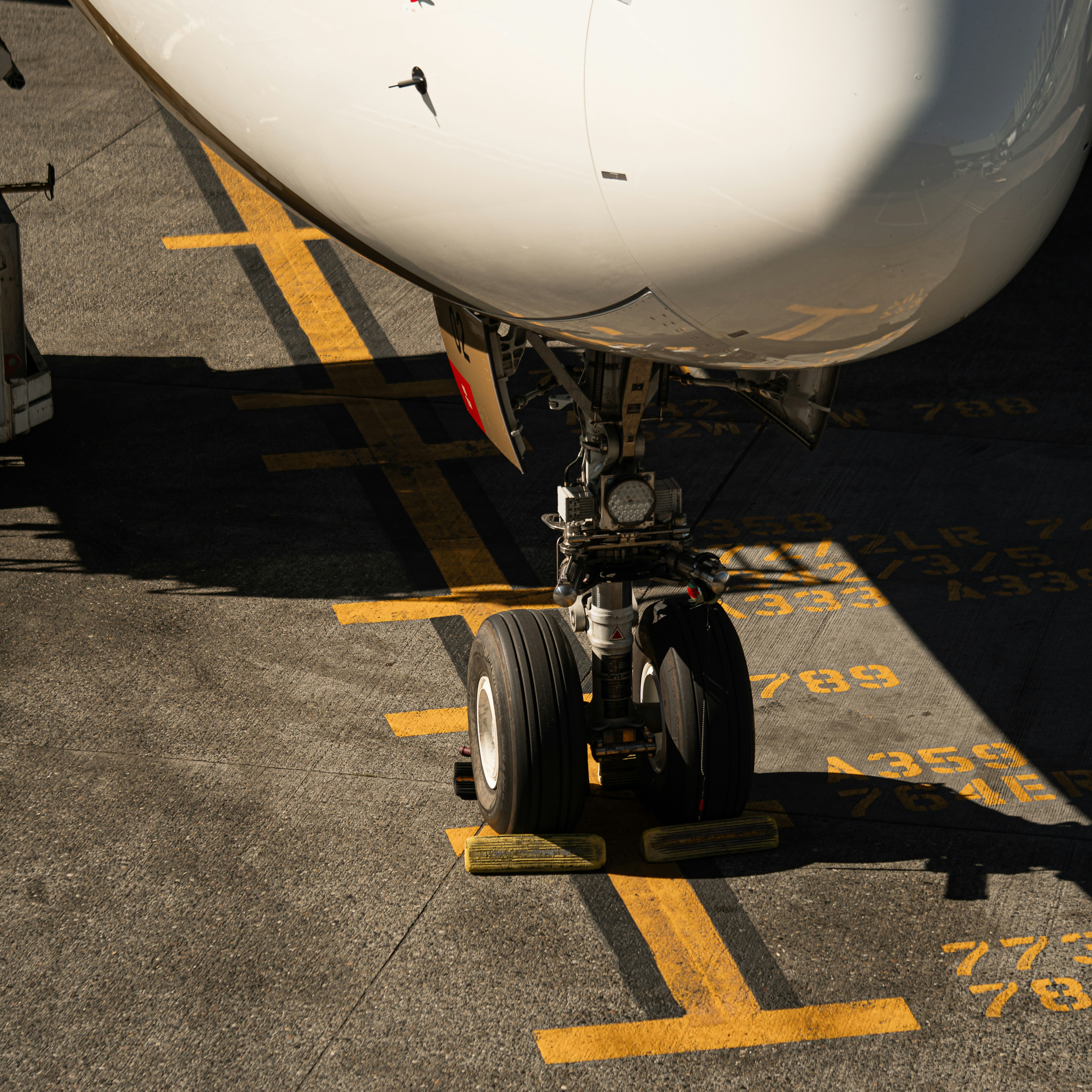
The nose landing gear is a critical aircraft component positioned at the forward section of the fuselage, serving as the primary support structure during ground operations. This essential system enables aircraft to maintain proper orientation during taxiing, takeoff, and landing phases while providing directional control on the runway. Modern nose landing gear assemblies incorporate advanced engineering solutions that combine structural integrity with sophisticated steering mechanisms. The system typically consists of a shock-absorbing strut, wheel assembly, steering actuators, and retraction mechanisms that work in harmony to ensure safe ground handling. Aircraft manufacturers design the nose landing gear to withstand substantial vertical and lateral loads while maintaining precise steering capabilities through hydraulic or electric actuation systems. The gear's retraction system allows it to fold neatly into the fuselage during flight, reducing aerodynamic drag and improving fuel efficiency. Advanced materials such as high-strength steel alloys and titanium components ensure durability while minimizing weight penalties. The nose landing gear features integrated braking systems on certain aircraft types and incorporates sensors that monitor tire pressure, strut extension, and system health. This forward-mounted gear typically supports approximately 10-15 percent of the aircraft's total weight during ground operations, making it an indispensable element of the landing gear system that directly impacts operational safety and performance across commercial, military, and general aviation applications.


Popular Products

Investing in a high-quality nose landing gear delivers substantial operational benefits that directly impact your aircraft's performance and safety profile. This component provides superior directional control during ground operations, allowing pilots to execute precise maneuvers on crowded taxiways and tight apron spaces with confidence. The steering capability of the nose landing gear reduces pilot workload during ground handling while minimizing the risk of runway excursions or taxiway deviations. Modern designs incorporate shock absorption technology that protects the airframe from ground-induced stresses, extending structural service life and reducing maintenance costs over the aircraft's operational lifetime. The system's reliable retraction mechanism contributes to improved aerodynamic efficiency during flight, translating into measurable fuel savings on every mission. Operators benefit from reduced tire wear due to optimized weight distribution and alignment precision, lowering replacement frequencies and associated downtime. The nose landing gear's robust construction ensures consistent performance across diverse operating environments, from smooth metropolitan runways to challenging remote airstrips. Enhanced safety features including redundant systems and fail-safe mechanisms provide peace of mind during critical flight phases. Maintenance-friendly designs allow ground crews to perform inspections and servicing efficiently, reducing aircraft-on-ground time and improving fleet availability. The component's modular architecture facilitates component-level replacement rather than complete assembly changes, optimizing spare parts inventory costs. For fleet operators, selecting proven nose landing gear systems means reduced insurance premiums through demonstrated reliability records. The technology directly supports compliance with international aviation standards while accommodating future upgrades as regulations evolve, protecting your long-term investment and ensuring operational continuity across changing regulatory landscapes.

Practical Tips

Sourcing Certified Aerospace Tools with Ease

15

Sep

Sourcing Certified Aerospace Tools with Ease

Struggling with FAA/EASA-compliant tool procurement? Discover how to source certified aerospace tools fast. Download the full guide now.
View More
How Plane Engine Sourcing Impacts Fleet Budgets

15

Sep

How Plane Engine Sourcing Impacts Fleet Budgets

How does plane engine sourcing really affect your fleet budget? Discover TCO drivers, spare parts costs, maintenance risks & ROI-optimized strategies. Download the guide.
View More
Cost-Effective APU Procurement for Multi-Fleets

15

Sep

Cost-Effective APU Procurement for Multi-Fleets

Struggling with rising APU costs across diverse fleets? Discover proven strategies to cut TCO by 30%+ through standardization Download the guide.
View More
Advanced Steering Precision and Control

Advanced Steering Precision and Control

The nose landing gear incorporates state-of-the-art steering technology that delivers exceptional maneuverability during all ground operations. Hydraulic or electromechanical actuators provide responsive steering input translation, enabling pilots to navigate complex airport layouts with minimal effort. The system's precision engineering ensures consistent steering response across varying ground speeds, from slow-speed gate departures to high-speed runway operations. Advanced feedback mechanisms continuously monitor steering angles and automatically compensate for external factors such as crosswinds or uneven pavement surfaces. This intelligent control system reduces pilot fatigue during extended taxi operations while enhancing safety margins in challenging weather conditions. The steering architecture integrates seamlessly with nose wheel assemblies, providing smooth directional changes without inducing excessive tire scrubbing that would accelerate wear patterns. Operators appreciate how this refined steering capability minimizes ground support equipment requirements, as aircraft can maneuver independently in tighter spaces. The system's reliability stems from redundant pathways that maintain steering authority even if primary systems experience degradation, ensuring pilots always retain directional control during critical ground phases.
Robust Shock Absorption Technology

Robust Shock Absorption Technology

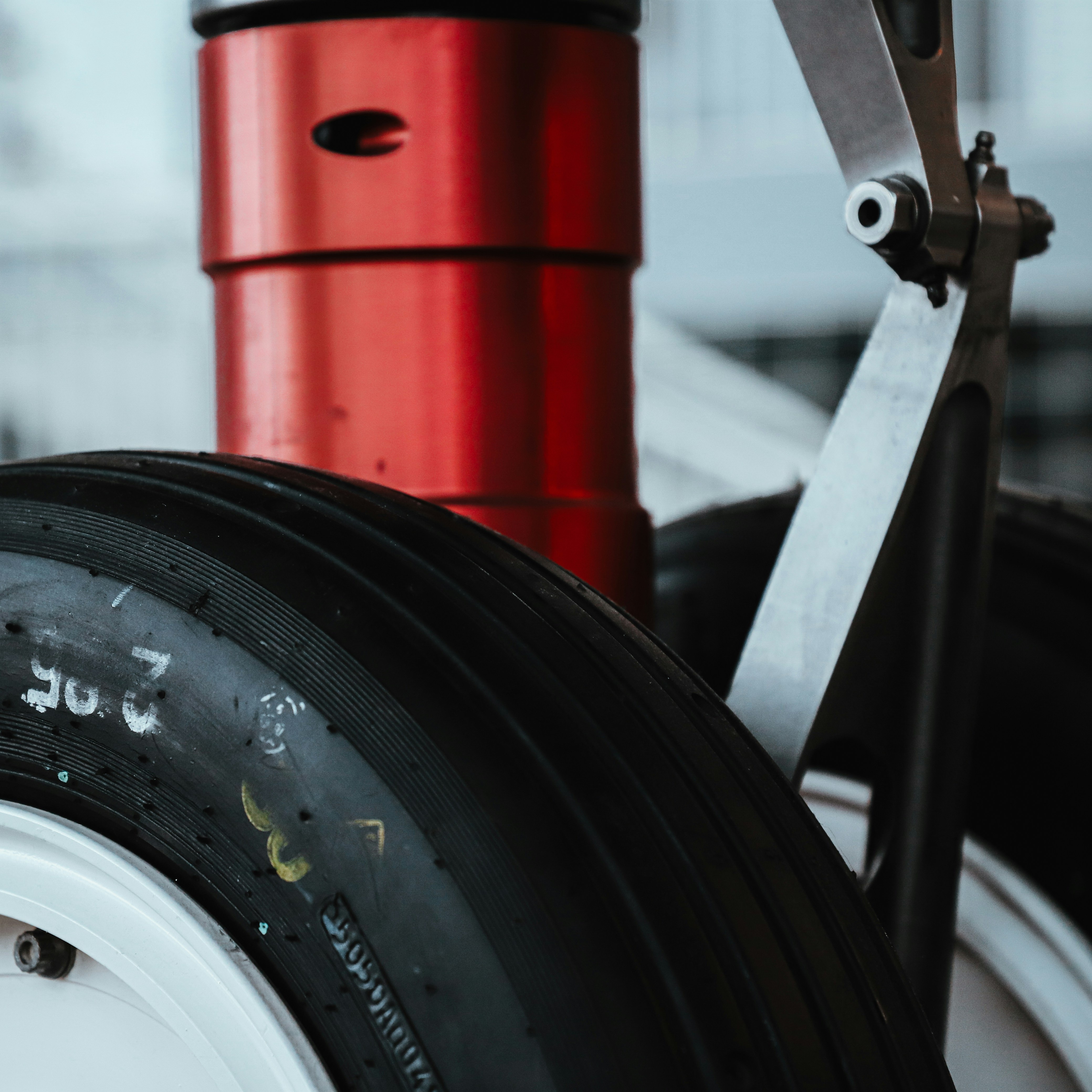
The nose landing gear features sophisticated shock absorption systems engineered to dissipate landing impact forces and protect the airframe structure. High-performance oleo-pneumatic struts combine hydraulic fluid damping with compressed nitrogen gas springs, creating a progressive absorption characteristic that smoothly manages energy from touchdown events. This technology accommodates varying descent rates and weight conditions, automatically adjusting damping characteristics to maintain consistent performance across the operational envelope. The shock strut design prevents excessive rebound that could cause structural fatigue or passenger discomfort, ensuring smooth ground transitions. Advanced sealing systems maintain hydraulic integrity across temperature extremes and contaminated environments, delivering reliable performance in arctic cold and tropical heat alike. The robust construction withstands repeated compression cycles over thousands of landing events without performance degradation. Maintenance intervals extend significantly compared to previous-generation systems due to improved materials and sealing technologies. Operators benefit from reduced inspection frequencies and lower lifecycle costs while maintaining optimal shock absorption performance. The system's ability to absorb ground-induced vibrations during taxiing also contributes to avionics longevity and cabin comfort, creating value beyond the primary landing function.
Efficient Retraction and Stowage Design

Efficient Retraction and Stowage Design

The nose landing gear employs an ingeniously engineered retraction system that maximizes aerodynamic efficiency while ensuring operational reliability. Precision-timed actuators rotate the gear assembly through a carefully choreographed sequence, positioning components to minimize stowage volume within the forward fuselage. The retraction mechanism incorporates mechanical locks that secure the gear in both extended and retracted positions, providing positive indication to flight crews and preventing uncommanded movement. Advanced sensors monitor door sequencing and gear position throughout the retraction cycle, feeding critical information to cockpit displays and aircraft systems. The design optimizes weight distribution during retraction to prevent center-of-gravity shifts that could affect flight characteristics. Streamlined gear doors close flush with the fuselage contour after retraction, eliminating drag-inducing gaps and contributing measurably to fuel economy improvements. Emergency extension systems provide backup deployment capability using gravity and spring assist, ensuring gear extension even during complete hydraulic or electrical system failures. The robust mechanical architecture withstands tens of thousands of retraction cycles with minimal wear, supported by strategically positioned bearings and pivot points that distribute operational loads. Ground crews appreciate the accessible service points that facilitate routine lubrication and inspection procedures without requiring specialized tooling or extensive panel removal.