aircraft struts
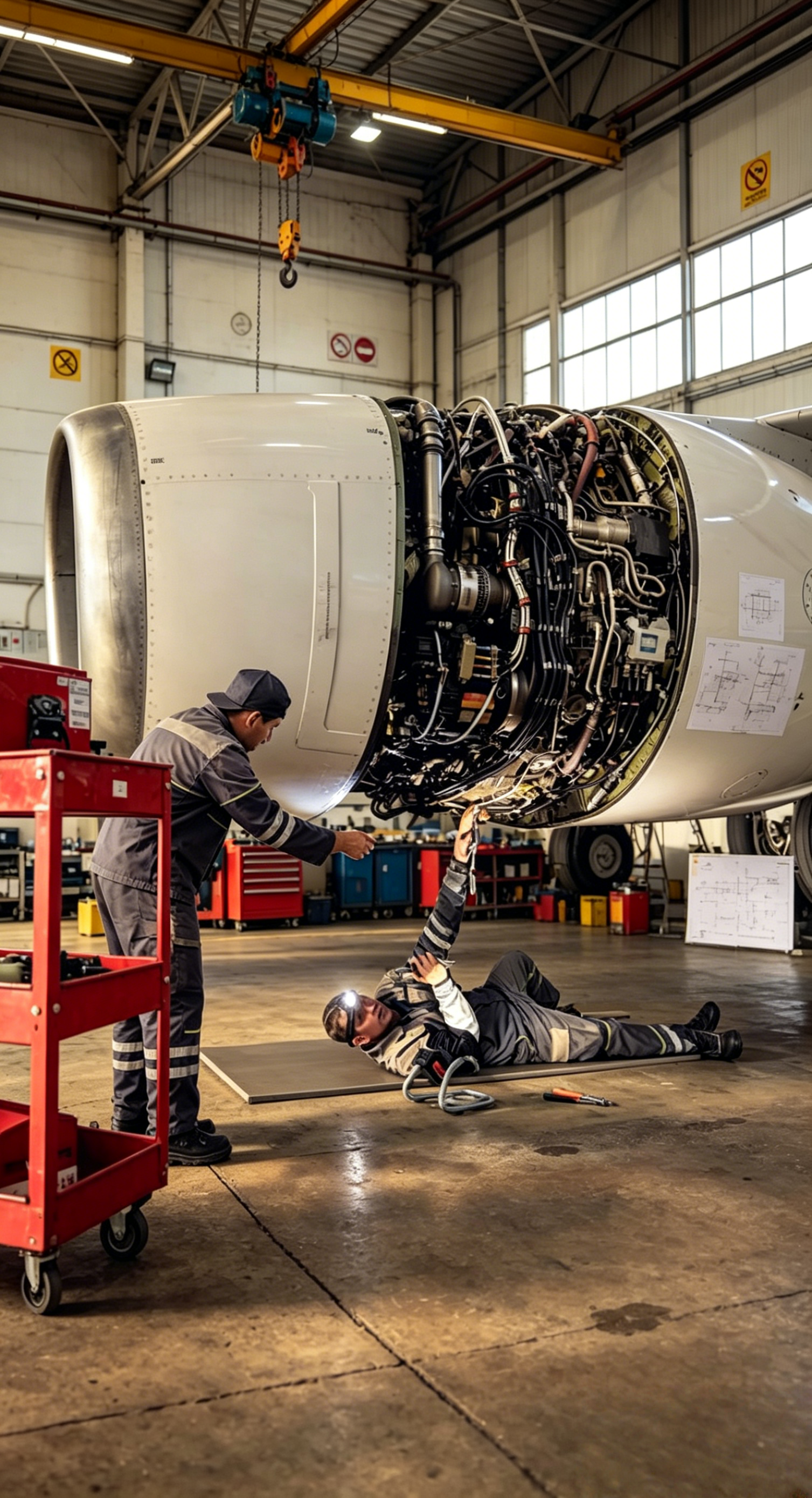
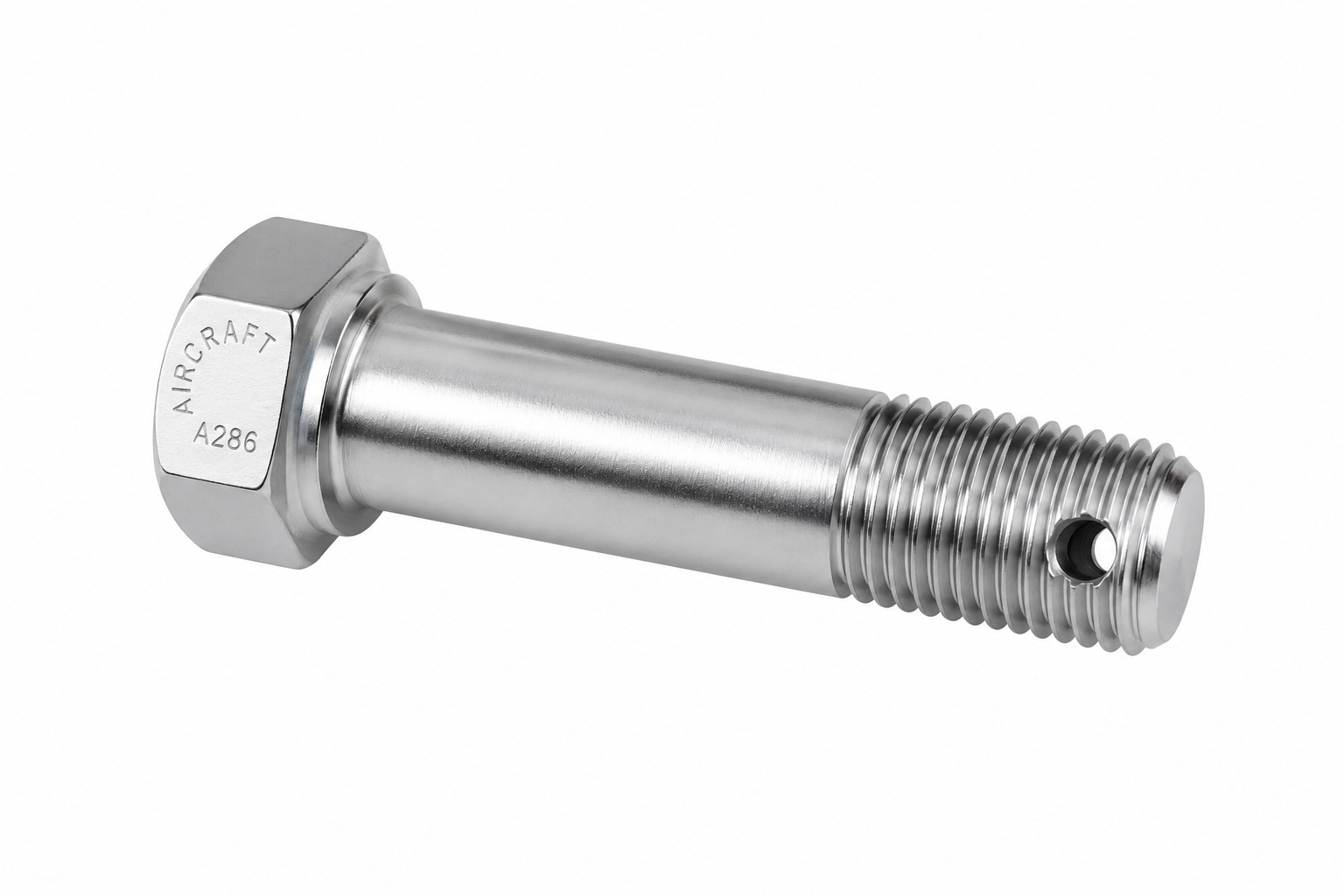
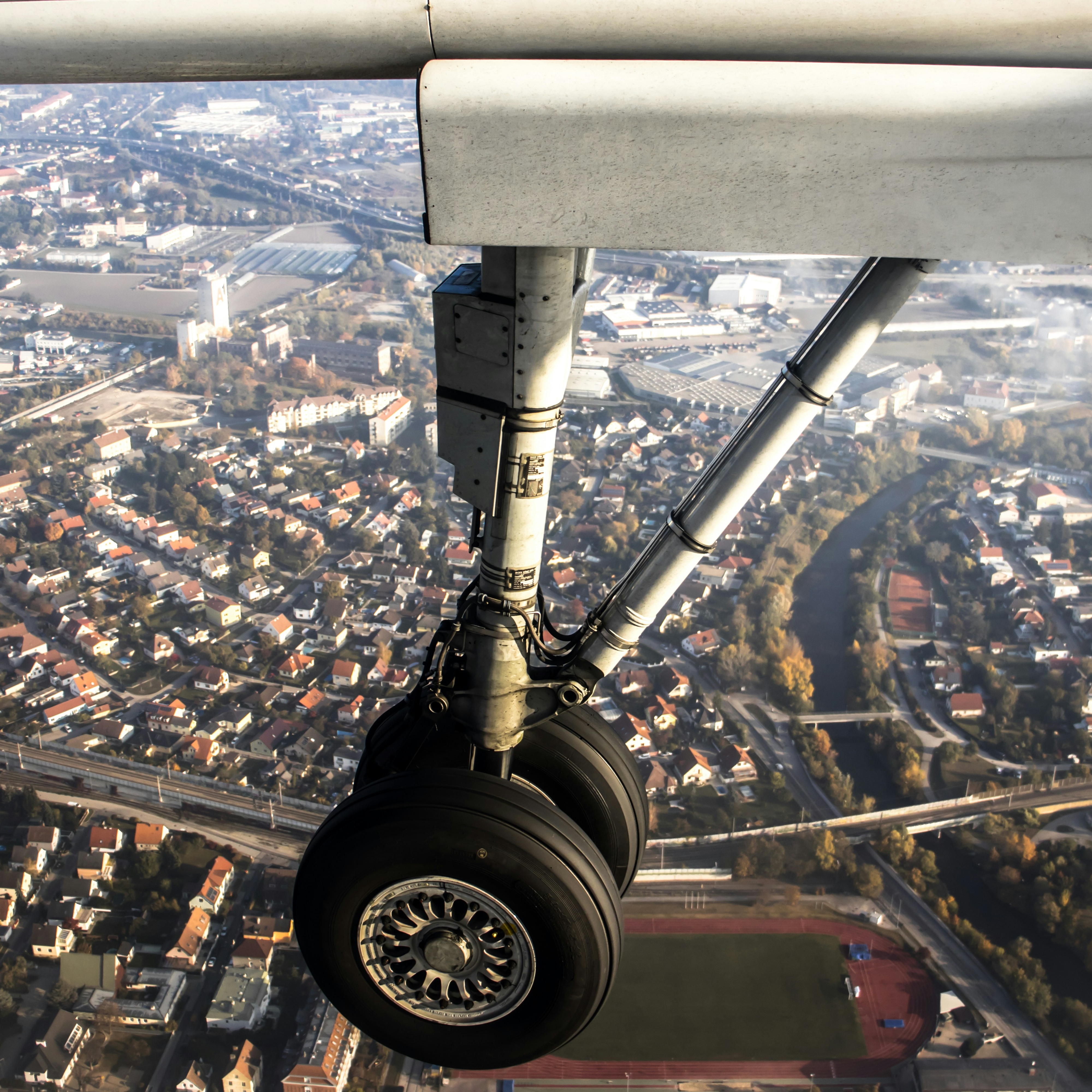
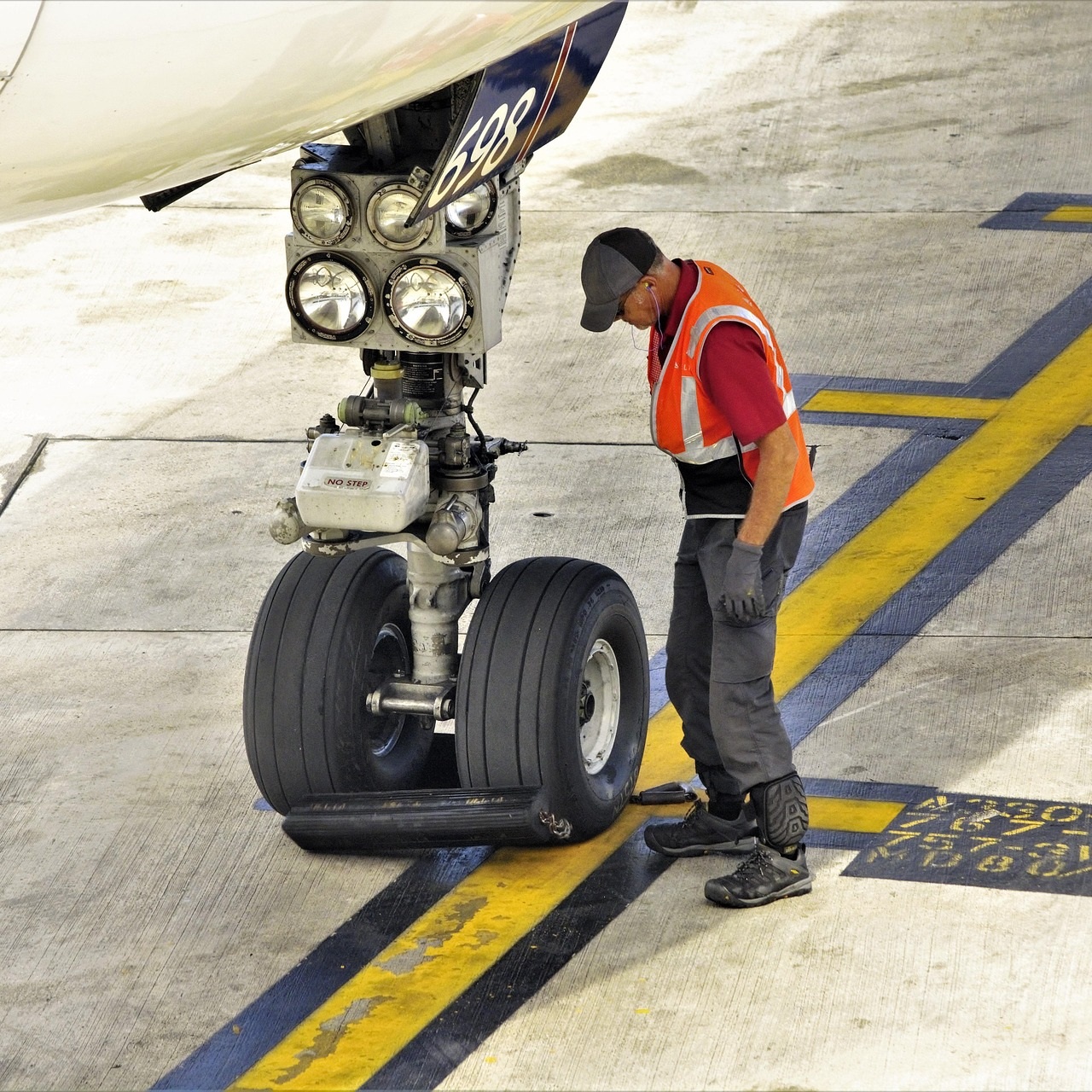
Aircraft struts are critical structural components engineered to provide essential support and stability to various aircraft systems and assemblies. These precision-manufactured elements serve as load-bearing members that connect different parts of an aircraft, ensuring structural integrity throughout flight operations. Aircraft struts function primarily to distribute aerodynamic forces, absorb shock loads during takeoff and landing, and maintain proper alignment of wings, landing gear, and fuselage sections. Modern aircraft struts incorporate advanced materials such as high-strength aluminum alloys, titanium, and composite materials that deliver exceptional strength-to-weight ratios. The technological features of aircraft struts include sophisticated engineering designs that account for stress distribution, fatigue resistance, and corrosion protection. Many contemporary aircraft struts feature integrated damping systems that reduce vibration transmission and enhance passenger comfort. These components undergo rigorous testing protocols including stress analysis, fatigue testing, and environmental simulation to ensure reliability under extreme operational conditions. Aircraft struts find applications across commercial aviation, military aircraft, general aviation, and unmanned aerial vehicles. They are essential in wing-to-fuselage connections, landing gear assemblies, engine mounting systems, and control surface attachments. The versatility of aircraft struts makes them indispensable for both new aircraft manufacturing and maintenance, repair, and overhaul operations, where replacement struts must meet exact specifications to maintain airworthiness standards and regulatory compliance.



 EN